A Short Campus Adventure: Exploring MacLaurin Building
For this adventure, I chose to explore the MacLaruin Building at UVIC. I pick this building because this is a part of the campus and I never take course in this building, I am so curious about this place.
My Plan
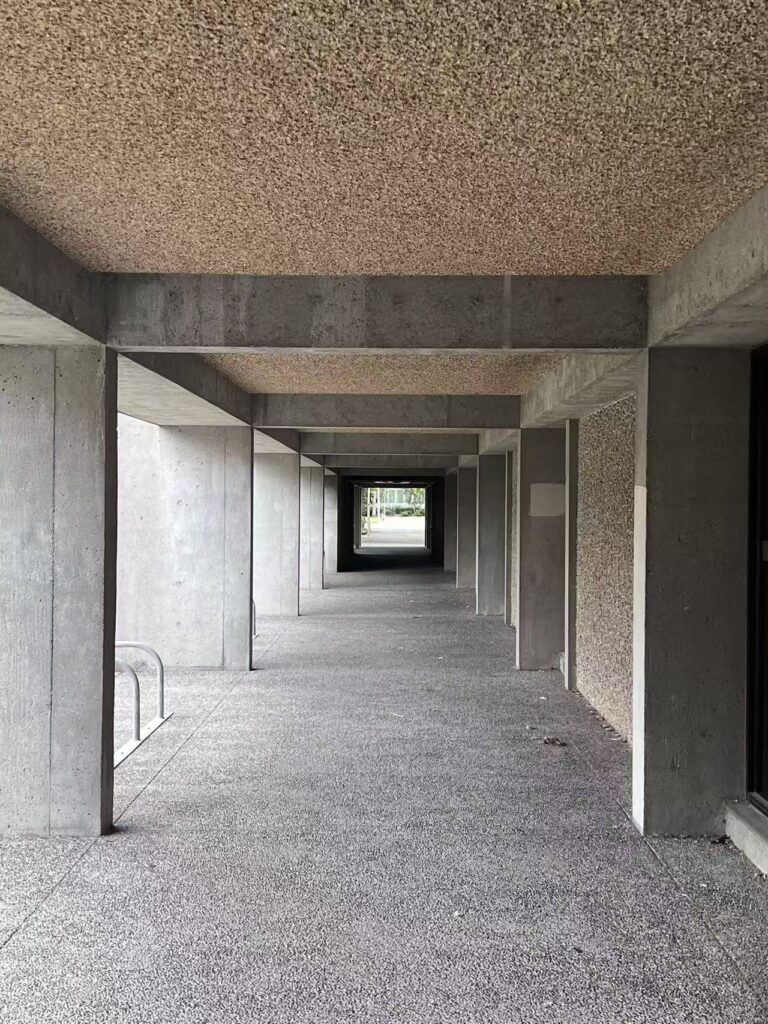
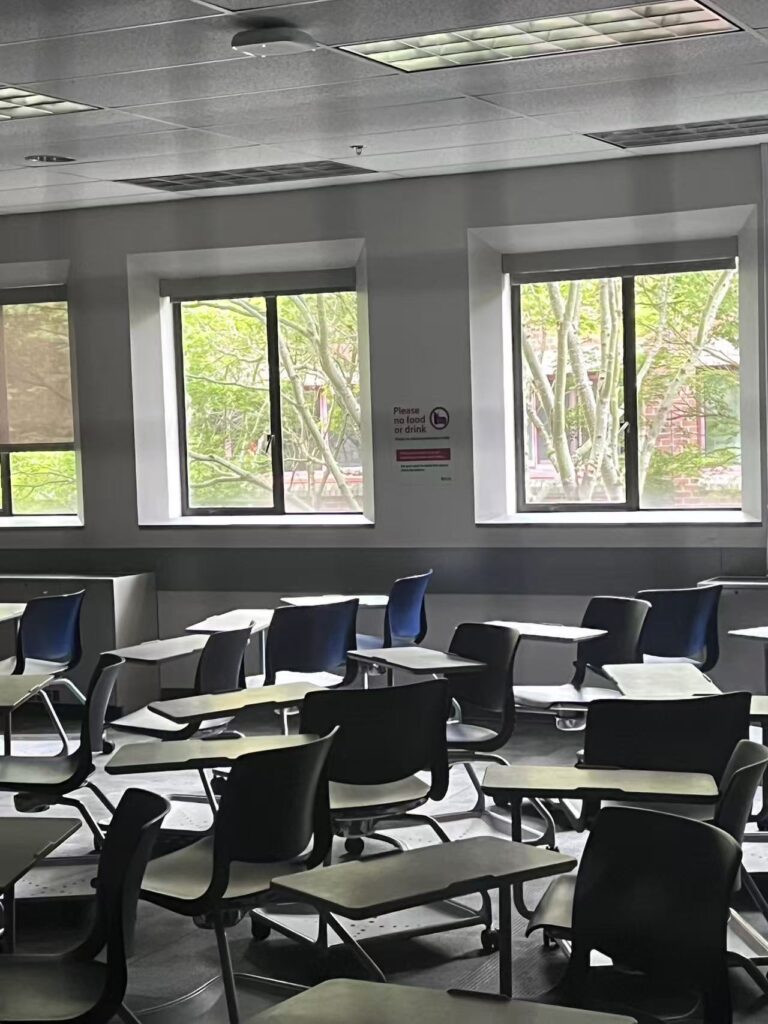
My plan is to enter from the D wing entrance and walk to the C wing entrance. The process includes experiencing and observing the architecture of the corridors, appreciating the architectural style, and examining the classroom layout.
The equipment I needed was simple. I used my phone to take photos and record audio. I also recorded the sound of my footsteps in the outside corridor. This sound became part of the story because it helps the audience feel like they are walking with me during the exploration.
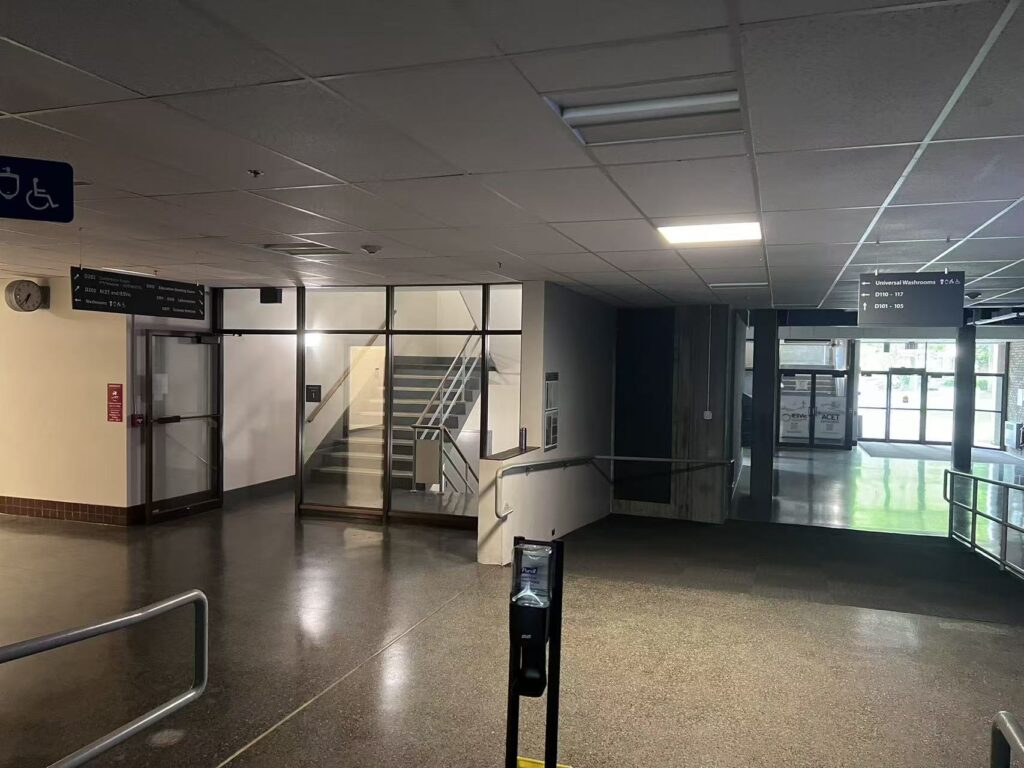
The shape of my story is a short journey. The sound of footsteps will make the audience feel that I am also in this environment. Then the story moves into the entrance area, where signs, stairs, and hallways show how the building is organized.In addition.I want to use the media platform to promote the unique architecture of the Uvic, as many people only know about its surface architecture online. I hope my blog can attract people outside of school.
Media I produced
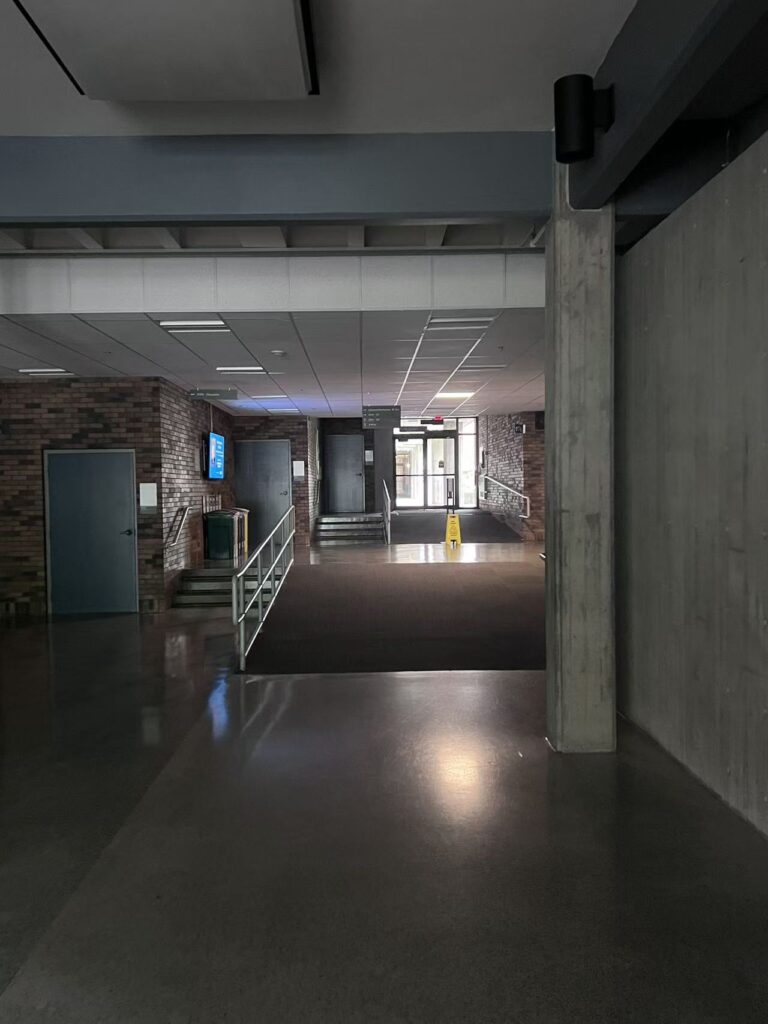
In this project, I produced photos and audio. The photos show the different part of this building where include outside wing, entrance area, hallway and classroom with unique table. The audio recording the captures the sound of waking in the outside wings. I used these images and sound to help audience imagine the experience of entering and exploring the building.
Mayer Principles
Firstly, I used the principle of coherence, using only media materials relevant to the story and avoiding irrelevant images or audio.
Secondly, I used the principle of signaling, organizing the article with clear titles. These titles help readers understand the purpose of each section. I also used concise descriptive text to explain the purpose of each photo or audio clip.
Thirdly, I chose the principle of spatial proximity, accompanying each photo with a caption to guide the viewer through the short journey step by step.
Lastly, I applied the principle of segmentation, dividing the story into smaller parts. This makes the article easier to read and helps readers understand the entire adventure story step by step.
My process and Reflection
In this project, I decided to start from the entrance of Dwing, incorporating footsteps to make the experience more realistic. My hesitation stemmed from the choice of photos; I took many pictures but ultimately chose those with alternating light and shadow to better showcase the building’s diversity. Overall, this event taught me how to observe carefully and how to effectively use media to describe each process.